A continuous glucose monitor (CGM) gives real-time blood-sugar readings without constant finger pricks — a live window into how your food, movement, and sleep actually affect your body.
What it is
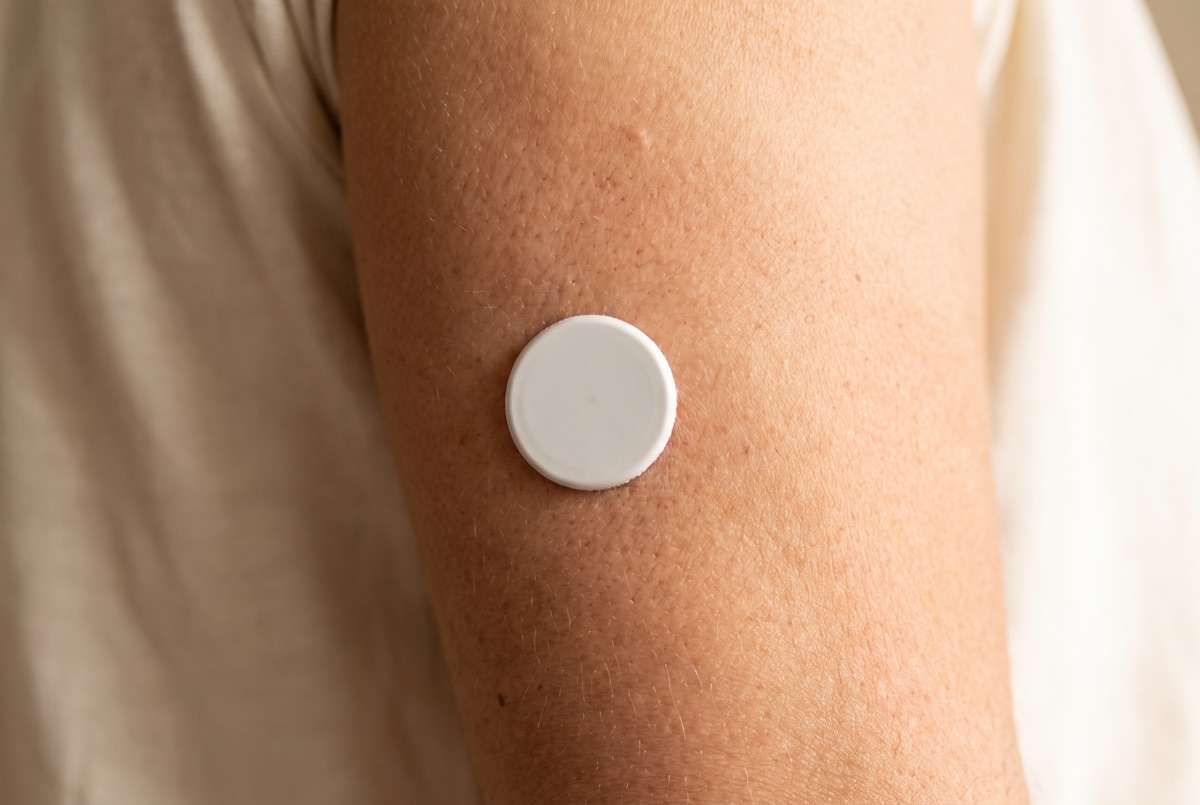
A small, coin-sized sensor sits just under the skin (usually on the arm) and measures glucose in the fluid between your cells, which closely mirrors blood sugar. It pairs with a phone app that shows your levels and trends throughout the day.
How it works
- The sensor is applied with a simple applicator and typically lasts 10–14 days.
- It reads glucose continuously and sends data to your phone every few minutes.
- The app charts your levels, so you can see post-meal spikes and overnight dips — and set alerts.
Why it matters — beyond diabetes
CGM is essential for many people with diabetes, but it's increasingly used by anyone optimizing metabolic health. Seeing that a sugary drink spikes you while a balanced meal keeps you steady turns abstract advice into a personal experiment — which makes better choices far easier to stick with.
Who it helps most
People with diabetes or prediabetes, athletes fine-tuning nutrition, and anyone over 30 trying to understand energy dips. Paired with a provider's guidance, the data becomes a plan rather than just numbers.
This article is for general educational purposes only and is not medical advice. Whether any treatment is appropriate for you is decided by an independent licensed provider based on your history, goals, and labs.
Sources
- American Diabetes Association — Standards of Care, continuous glucose monitoring.